Questions Before You Book a Repair
Answers on patch types, warning signs, taxes, and what to gather before a call.
What Are the Early Signs That a Commercial Roof Needs Repair?
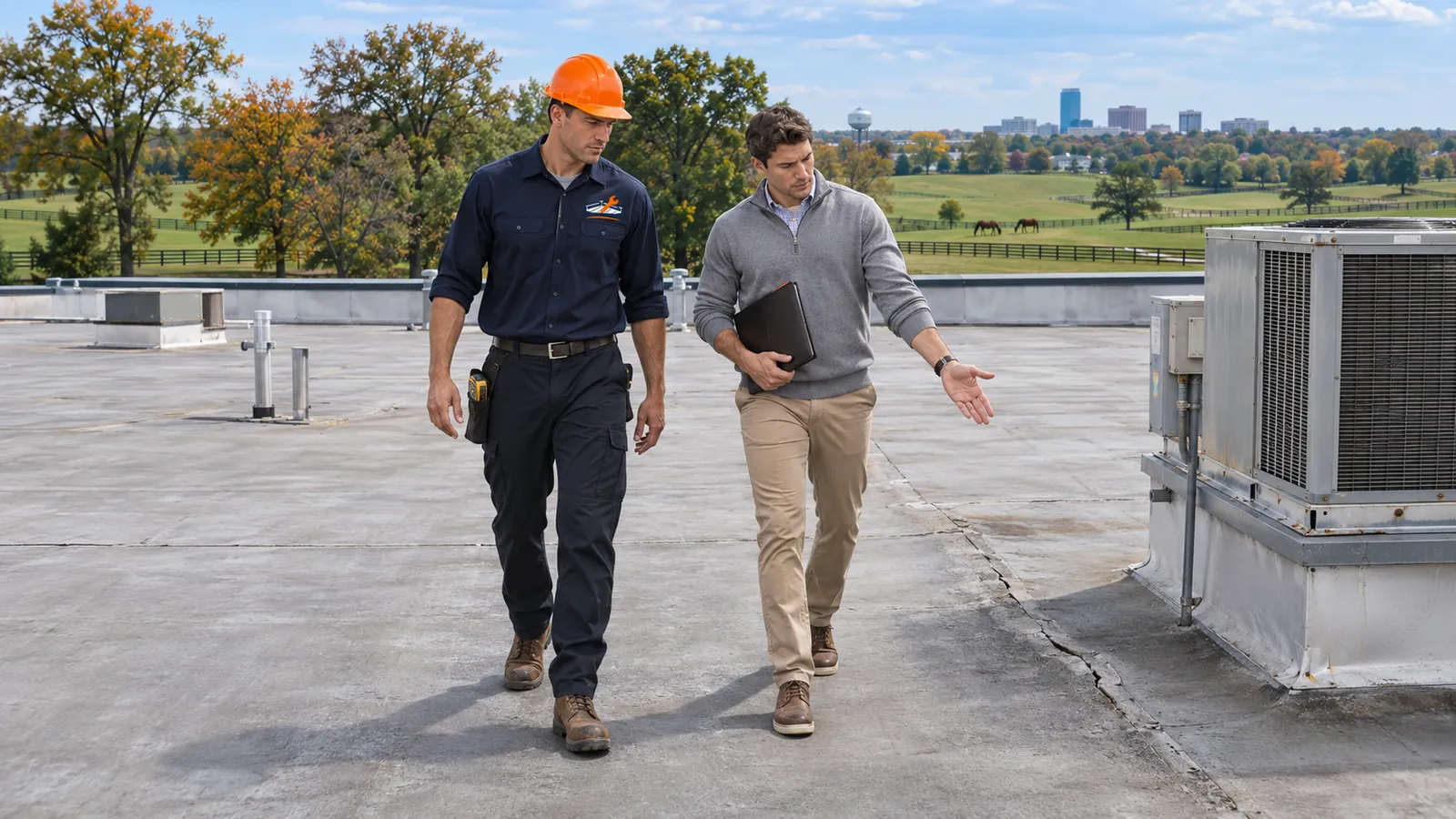
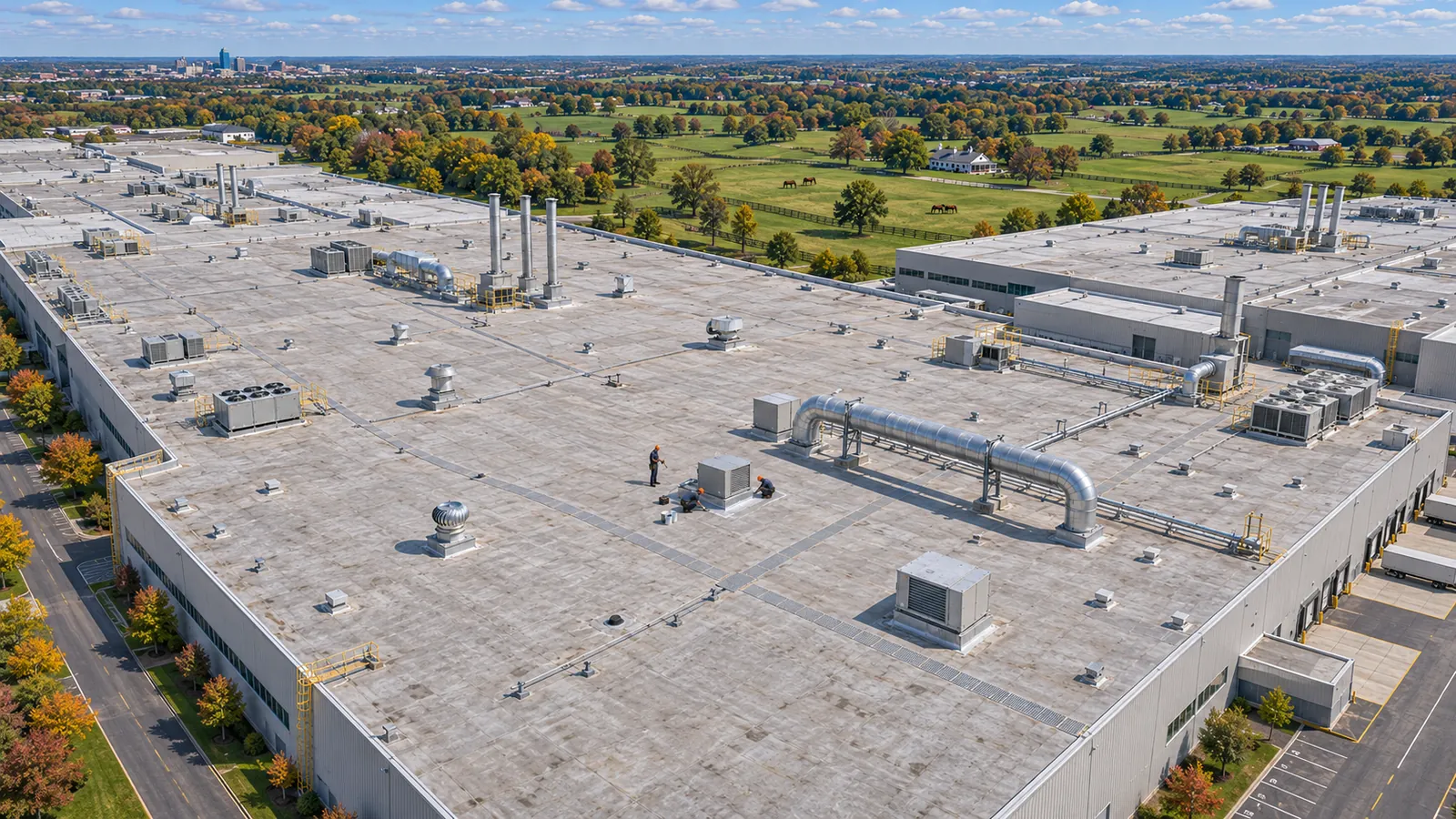
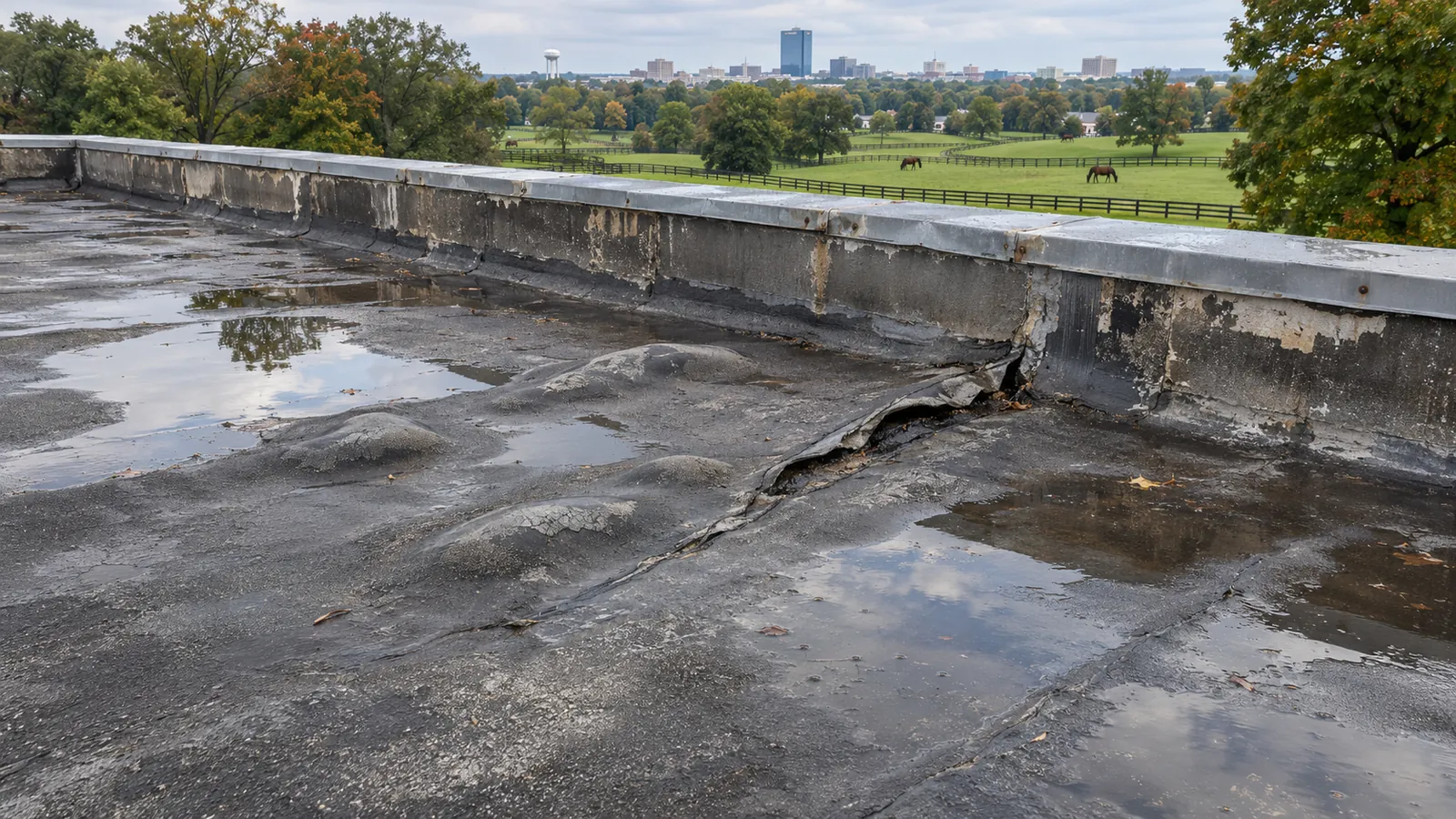
Ceiling stains and damp insulation are what most owners spot first, but the roof shows trouble sooner. On a spring or fall walk, look for seam edges lifting on TPO or EPDM, soft spots near drains, and flashing pulling off parapets and curbs.
Screw heads backing out of metal panels and water still standing two days after rain are early signs too. Photos from each walk give you a record to compare.
Is a Temporary Patch Enough, or Does the Roof Need a Permanent Repair?
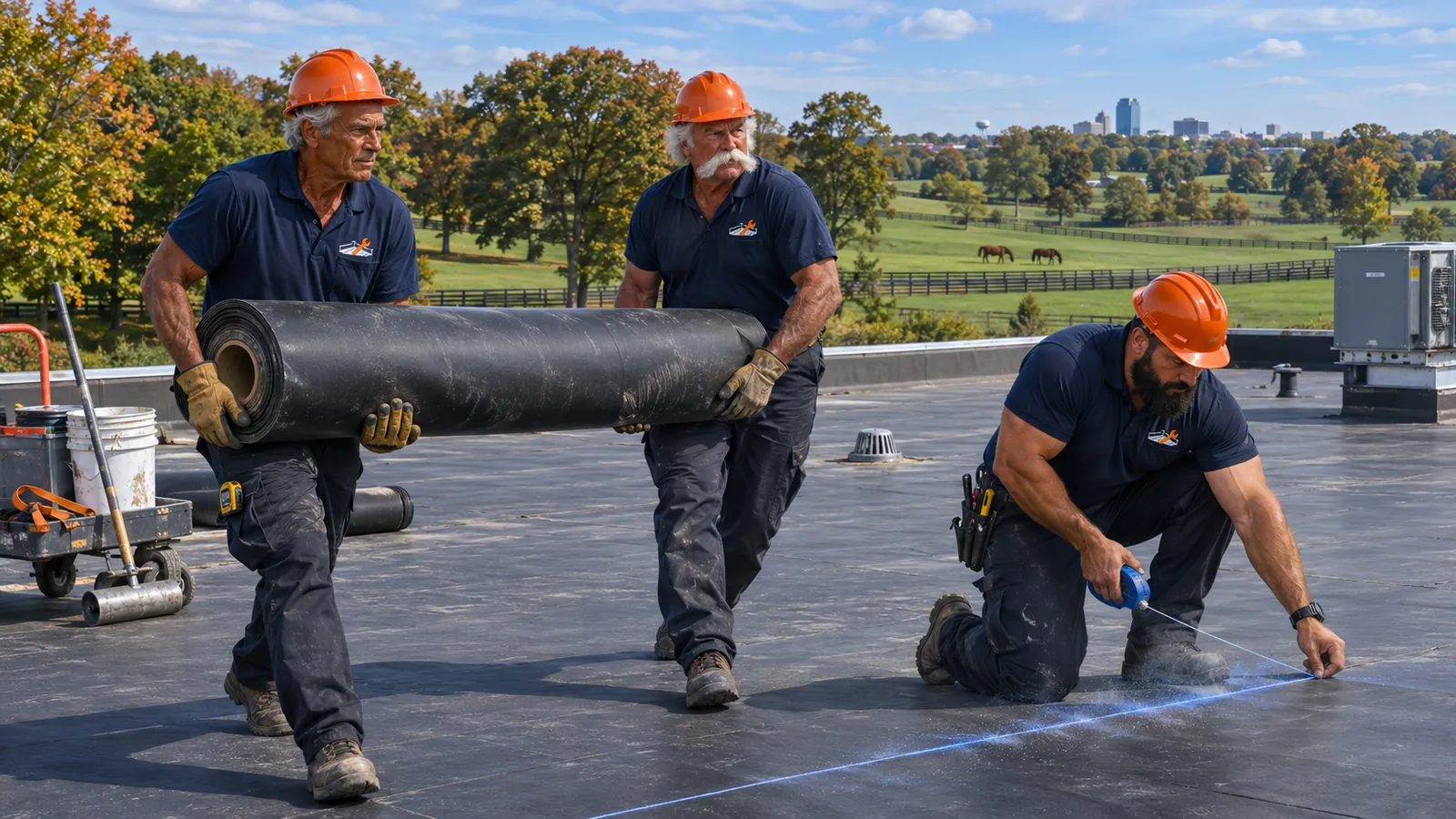
A temporary roof patch only buys time. Roof cement, repair tape, or a tarp can stop water during a storm, often on a wet surface with little prep, while a permanent repair rebuilds the failed seam, flashing, or panel with matching material on a cleaned, dried, primed surface.
Mastic on a TPO seam also makes the later weld harder, so temporary work gets marked and redone.
How Does Roof Repair Spending Fit With Section 179?
Repairs and improvements get different tax treatment, so where a job falls matters. IRS Publication 946 lists roofs on nonresidential buildings already in service as qualified real property for Section 179, with a 2026 cap of $2,560,000 that phases out after $4,090,000.
A reflashed curb and a full membrane restoration raise different questions, so a CPA with your records makes the call.
What Details Help Before Calling About a Roof Leak?
Drip locations, the weather when it leaks, and past repair records help most. Mark where water shows up on a floor plan and note whether it leaks in light rain, heavy rain, or wind from one side.
Knowing your roof type and access point, such as a hatch or ladder, plus photos of stains or rusty deck, lets us plan before getting on the roof.
Which Repair Service Fits a Building With Two Roof Types?
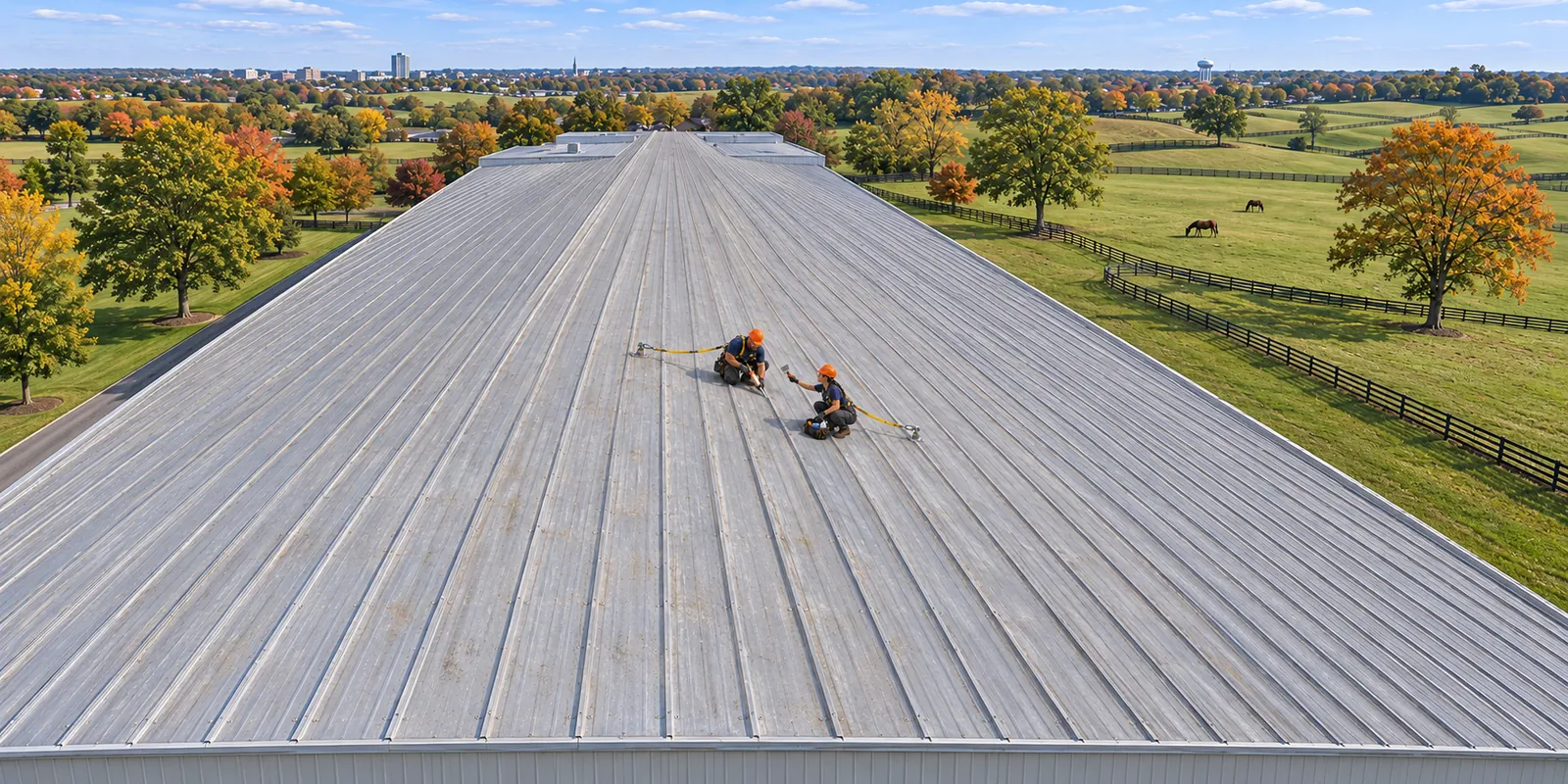
Buildings with a metal shop section and a membrane office section get both repairs in one visit. The metal side gets fasteners, laps, and flashing, and the low-slope side gets seams, curbs, and drains.
Where the two roofs meet, the transition flashing is a common leak point, so it gets its own close look, with the metal edge, the membrane termination, and the sealant between them all checked.
How Soon After a Leak Should a Repair Happen?
Once water reaches the insulation, every rain widens the wet area, so an early visit keeps the repair small. During a storm the aim is a temporary seal and cleared drains.
The permanent repair follows on the first dry day above the material's temperature limit, and the temporary material comes off first.